
Obsessive-Compulsive Disorder (OCD) and Hypnotherapy: Understanding Symptoms, Treatment, and Emotional Well-Being
Blog post description.
Milind Sable
7/17/20264 min read
Obsessive-Compulsive Disorder (OCD) and Hypnotherapy: Understanding Symptoms, Treatment, and Emotional Well-Being
What Is Obsessive-Compulsive Disorder (OCD)?
Obsessive-Compulsive Disorder (OCD) is a mental health condition that involves recurring unwanted thoughts (obsessions) and repetitive behaviors or mental rituals (compulsions). These symptoms can become distressing and may interfere with work, studies, relationships, and everyday life.
Many people occasionally double-check things or prefer order and cleanliness. OCD is different because the thoughts and behaviors become persistent, difficult to control, and time-consuming.
The good news is that OCD is treatable, and many people experience significant improvement with appropriate professional care.
What Are Obsessions?
Obsessions are repeated, unwanted thoughts, images, or urges that cause anxiety or discomfort.
Common examples include:
Fear of contamination from germs or dirt
Fear of harming oneself or others unintentionally
Constant doubts such as whether the door is locked or the gas is turned off
A strong need for symmetry or exact order
Intrusive thoughts that feel disturbing or unwanted
People with OCD generally recognize that these thoughts are irrational or excessive, but they still find them difficult to stop.
What Are Compulsions?
Compulsions are repetitive actions or mental rituals performed to reduce anxiety caused by obsessive thoughts.
Examples include:
Excessive hand washing
Repeated checking of locks, switches, or appliances
Counting repeatedly
Arranging objects in a precise order
Repeating words or prayers mentally
Seeking constant reassurance
Although these behaviors may provide temporary relief, they often strengthen the OCD cycle over time.
Common Symptoms of OCD
Signs and symptoms may include:
Persistent unwanted thoughts
Repetitive checking behaviors
Excessive cleaning or washing
Difficulty tolerating uncertainty
Fear of making mistakes
Need for perfection
Time-consuming rituals
Anxiety when routines are interrupted
Difficulty concentrating due to intrusive thoughts
What Causes OCD?
There is no single cause of OCD. Researchers believe it develops through a combination of factors, including:
Biological Factors
Brain function, genetics, and differences in certain neural pathways may contribute.
Psychological Factors
Stress, trauma, perfectionism, and certain thinking patterns may increase vulnerability.
Environmental Factors
Major life changes, chronic stress, and difficult experiences may influence symptoms in some individuals.
How Is OCD Treated?
Effective treatment often involves one or more evidence-based approaches.
Cognitive Behavioral Therapy (CBT)
A specialized form of CBT called Exposure and Response Prevention (ERP) is considered one of the most effective psychological treatments for OCD.
Medication
Some individuals benefit from medication prescribed by a psychiatrist or physician.
Lifestyle Support
Healthy sleep, regular exercise, stress management, and mindfulness practices can complement professional treatment.
Can Hypnotherapy Help with OCD?
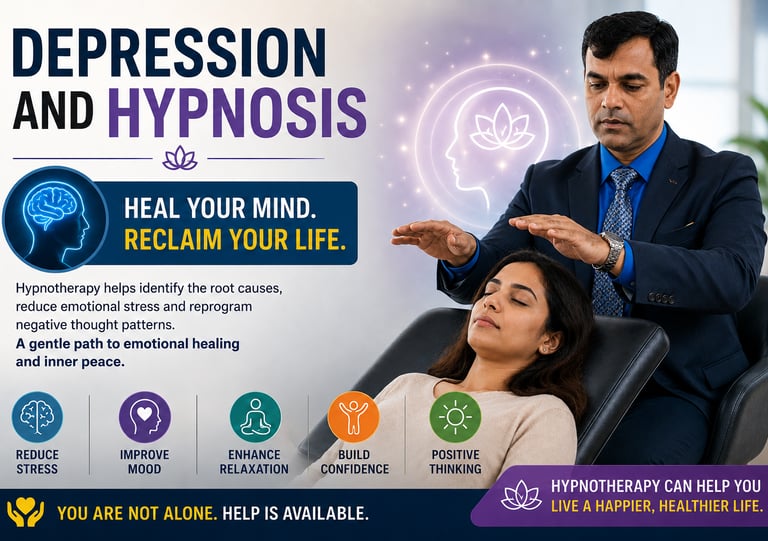
Hypnotherapy is not considered a primary treatment for OCD, and it should not replace evidence-based therapies such as CBT with ERP or appropriate medical care.
However, some individuals may choose hypnotherapy as a complementary approach to support:
Stress reduction
Relaxation
Emotional resilience
Confidence building
Better sleep
Coping with anxiety associated with OCD
When appropriate, hypnotherapy should be provided by a qualified professional and coordinated with the individual's overall treatment plan.
Potential Benefits of Hypnotherapy
Depending on the individual's needs, hypnotherapy may help:
Reduce Stress
Relaxation techniques can help calm the body and mind.
Improve Emotional Balance
Hypnotherapy may support healthier emotional responses to everyday stress.
Build Positive Habits
Positive suggestions and visualization exercises may reinforce healthy routines and self-confidence.
Improve Sleep
Many people with anxiety-related symptoms experience better relaxation and improved sleep quality after practicing hypnosis-based relaxation techniques.
A Typical Hypnotherapy Session
A professional session may include:
Initial Consultation
Understanding your goals, symptoms, and medical history.
Guided Relaxation
Helping you enter a calm and focused state.
Therapeutic Techniques
Using appropriate methods such as guided imagery, positive suggestions, and relaxation strategies tailored to your goals.
Discussion and Planning
Reviewing the session and suggesting home practice when appropriate.
Self-Care Tips for People with OCD
Professional treatment works best when combined with healthy daily habits.
Consider:
Following your treatment plan
Practicing relaxation exercises
Maintaining regular sleep
Exercising regularly
Limiting caffeine if it worsens anxiety
Practicing mindfulness
Talking openly with supportive family members
Avoiding self-criticism
When Should You Seek Professional Help?
Consult a qualified mental health professional if:
Symptoms interfere with daily life.
You spend a significant amount of time performing rituals.
Anxiety becomes overwhelming.
Work, education, or relationships are affected.
Symptoms continue despite self-help efforts.
Early treatment often leads to better long-term outcomes.
Frequently Asked Questions (FAQs)
Q1. What is Obsessive-Compulsive Disorder (OCD)?
OCD is a mental health condition characterized by recurring unwanted thoughts (obsessions) and repetitive behaviors (compulsions) performed to reduce anxiety.
Q2. Can OCD be treated successfully?
Yes. Many individuals experience significant improvement with evidence-based treatments such as Cognitive Behavioral Therapy (especially Exposure and Response Prevention), medication when appropriate, and ongoing professional support.
Q3. Can hypnotherapy cure OCD?
No. There is currently no evidence that hypnotherapy cures OCD. Hypnotherapy may be used as a complementary approach to support relaxation, stress management, and emotional well-being, but it should not replace recommended medical or psychological treatment.
Q4. Is hypnosis safe for people with OCD?
When conducted by a qualified hypnotherapist, hypnosis is generally considered safe for most individuals. Before starting therapy, a professional assessment should determine whether it is appropriate for your situation.
Q5. Can stress make OCD symptoms worse?
Yes. Stress and anxiety can increase the intensity of OCD symptoms for many people. Learning healthy stress-management techniques may help support overall treatment.
Q6. Can children develop OCD?
Yes. OCD can affect both children and adults. Early evaluation and appropriate treatment can improve outcomes.
Q7. How long does OCD treatment usually take?
Treatment duration varies depending on symptom severity, individual goals, and the type of therapy. Your mental health professional will recommend a personalized treatment plan.
Q8. Should I consult a psychiatrist for OCD?
If symptoms are moderate to severe or significantly affect daily functioning, consulting a psychiatrist or psychologist is recommended. A psychiatrist can evaluate whether medication may be appropriate as part of treatment.
Final Thoughts
Living with OCD can be challenging, but effective help is available. Seeking support from qualified mental health professionals is an important step toward recovery. Evidence-based therapies, healthy lifestyle habits, and supportive relationships form the foundation of successful treatment.
For individuals interested in complementary approaches, hypnotherapy may help with relaxation, stress reduction, and emotional well-being when integrated into an appropriate care plan.
About the Author
Milind Sable is a hypnotherapist, NLP trainer, AI trainer, motivational speaker, and author with over 30 years of experience in personal development and professional education. Through workshops, books, and training programs, he helps individuals build confidence, manage stress, and develop practical skills for lifelong growth.
Begin Your Journey Toward Better Mental Well-Being
At Milind Sable Academy, we provide educational resources, professional training, and hypnotherapy services focused on personal development, stress management, confidence building, and emotional wellness.
📚 Explore Our Books
🎓 Join Our Professional Courses
📅 Book a Consultation
📩 Subscribe for Mind Wellness Tips
Milind Sable Academy
Clinical mental mechanics and professional hypnotherapy blueprints.
Home-Shop-Results-Contact
Inquiries
info@milindsable.com
Based in Ch. Sambhajinagar, India
Global digital delivery
© 2026 Milind Sable Academy-Professional certification and mental performance blueprints.
Mental mechanics, not mysticism